
When Love Is Missing at Home
The Danger of Searching for It Elsewhere
PERSONAL GROWTH
Arunima Pasumpon
5/17/20254 min read
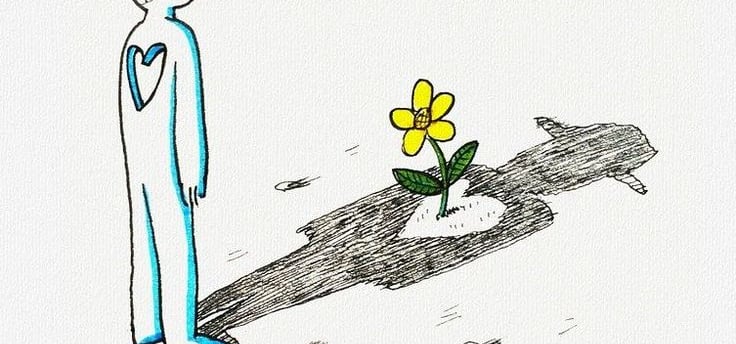
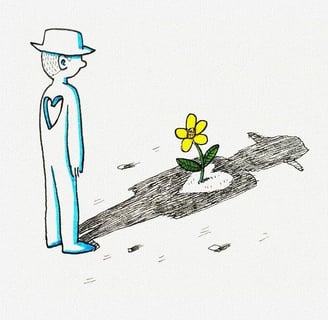
There’s a kind of emptiness that begins right where family love should’ve lived.
It’s quiet at first. Just a numb ache. But over time, it starts shaping the way you see love, worth, and yourself. When you don’t feel loved at home — when your safe space becomes the very place you feel invisible — you start looking outside. Not just for company, but for something deeper: validation, warmth, belonging.
I’ve lived that emptiness. Not as a quote on social media, but in moments where my heart felt heavier than my silence.
I didn’t feel seen at home. I didn’t feel held. And so, I looked outside for what I thought was love.
A Story That Still Stings
It wasn’t romantic. It wasn’t loud. It wasn’t even obvious at first.
It was a group of friends.
I met them at a time when all I wanted was to feel accepted. They laughed with me, invited me everywhere, tagged me in posts that said “soul family.” I felt like I finally belonged somewhere.
But slowly, the truth showed up.
They only called when they needed something — notes, favors, errands. When I needed someone? They vanished. When I tried to talk about what I was going through, they’d say things like:
“You’re always so emotional.”
Or they’d change the topic altogether.
I was there at 2 a.m. when they cried about boys, heartbreaks, family fights. But when I called them crying — they didn’t even pick up.
It hit hardest on my birthday. I showed up with plans, dressed up, excited… only to find out they “forgot.”
They posted stories with each other that day — lunch, selfies, celebrations. Just without me.
And in that moment, I realized: I was never one of them. I was just someone they used to fill in empty spaces.
That night, I didn’t cry because I lost friends. I cried because I had mistaken convenience for connection.
And that’s what happens when you grow up starved of love —
You call scraps a feast, and users your family.
What Happens When You Seek Love in the Wrong Places
When you carry that hunger for affection, people sense it. And not everyone wants to love you — some want to use you.
They’ll offer attention just enough to make you stay. They’ll mirror your needs so you feel seen. But their love is conditional. It’s performative. It’s manipulative.
And worse than parents who didn’t know how to love? Are strangers who know exactly what you’re looking for — and weaponize it.
They’ll shrink you. Make you question your worth. Make you apologize for being "too emotional" or "too much."
You’ll find yourself begging for the bare minimum. Just like you did at home.
Why It Hurts More Than Home
The pain hits different when you chose them.
With parents, at least you can whisper to yourself: "Maybe they don’t know better." But with someone you trusted — someone who made you feel seen — the betrayal feels deeper. Because you thought this time would be different.
And yet, you find yourself being treated like a placeholder. Used. Controlled. Silenced.
They know you’re afraid of being alone. So they twist that fear into a leash.
The Cycle of Starved Love
You love hard — too hard — because you're afraid this is the only shot you have.
You tolerate mistreatment, because anything feels better than emptiness.
You give and give, hoping they’ll finally see your worth.
But the more you give, the less they respect you.
Starved love leads to desperate choices. And desperate choices often lead to damaging people.
How to Break the Pattern – Before It Breaks You
Breaking the cycle starts with brutal, beautiful honesty:
1. Acknowledge the wound
Stop pretending you’re fine. It’s okay to say, "I didn’t feel loved at home." That truth doesn’t make you weak — it makes you real.
2. Stop romanticizing attention
Just because someone wants you doesn’t mean they value you. Love is not proved by pain.
3. Give yourself the love you never got
Buy yourself flowers. Cook for yourself. Write love letters to your inner child. Become your own safe space.
4. Set standards, not walls
Don’t shut people out — but do raise your standards. If someone can’t meet your emotional needs with kindness and respect, let them go.
How to Heal – Even If You’ve Been Hurt Repeatedly
Healing isn’t about forgetting what happened. It’s about choosing what happens next.
Write your pain out. Uncensored.
Go to therapy if you can.
Build friendships where you feel chosen, not tolerated.
Learn to sit with solitude — so you don’t settle out of fear.
You can still believe in love — just not the kind that asks you to destroy yourself to feel it.
Final Words
If you didn’t feel loved at home — I’m so sorry.
But please hear this:
You are not hard to love. You were just raised in a place that didn’t know how to love right.
And while that pain may have shaped you, it doesn’t have to define you.
Give yourself the tenderness you’ve been seeking from others. Walk away from people who make you feel small.
You deserve a love that doesn’t require you to beg, shrink, or bleed.
Start with giving that love to yourself.
Because once you do — the wrong ones won’t feel powerful anymore. And the right ones? They’ll feel safe.